Analysis of delivery reward scams

Scammers impersonate courier companies (such as UPS, USPS, FedEx, DHL, Amazon, Royal Mail, and Canada Post) and claim your package is "on its way" or "out for delivery." They then direct you to a similar page offering a cash "reward" or gift, displaying a countdown timer. After answering a few simple questions, the website requests personal information and a small payment to "claim your reward" or "pay for shipping." Victims may be double-charged, subscribed to unnecessary services, or even have their information stolen.
How the Scam Works
Step 1: You receive an email or text message that looks like a delivery notification, with links to "track," "confirm," or "reschedule" your package.
Step 2: Clicking the link opens a branded page where you can complete a short survey to win a cash reward or gift. To create a sense of urgency, the page may include a countdown timer.
Step 3: After completing the survey, the website asks for your name, address, and credit/debit card information for a small fee or to verify your identity.
Step 4: Scammers may make unauthorized charges, sign you up for subscriptions, or collect your personal information for future scams.
✓ Do this:
Log in directly to the shipping company's website (e.g., ups.com, usps.com, fedex.com, dhl.com, royalmail.com) or use the official app.
Use a tracking number from your order or the seller's order history.
If you don't receive your package, treat the notification as suspicious until you confirm with the sender or seller.
Report suspicious delivery notifications to the shipping company's fraud page and delete them.
✗ Avoid this:
Do not click on links, scan QR codes, or call phone numbers that appear in unexpected delivery messages.
Do not enter credit card numbers or personal information to claim "rewards" or pay unexpected "fees." Legitimate courier services do not offer cash incentives for deliveries.
Be wary of countdown timers, emojis, or coercive language designed to make you act quickly.
Do not assume that a logo or website colors are real; verify the URL.

Related Readings

By IAFCRO
How the scam works Step 1: You receive a message or email that appears to be from Meta/Facebook, stating that your Pag...
By IAFCRO
Scammers impersonate courier companies (such as UPS, USPS, FedEx, DHL, Amazon, Royal Mail, and Canada Post)...
By IAFCRO
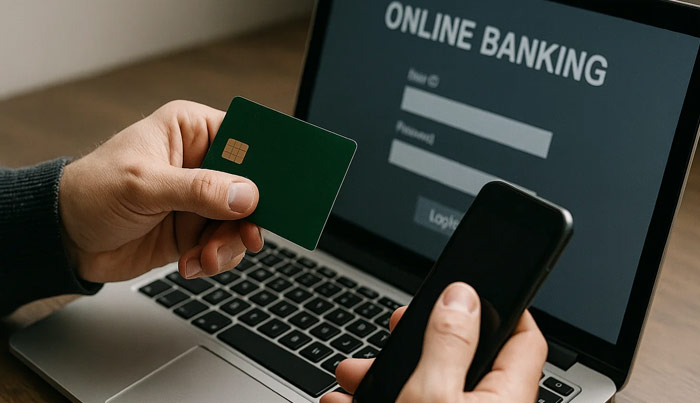
You receive unsolicited emails or letters claiming you'll receive a large inheritance, recovered funds, or a prize. These ema...
By IAFCRO
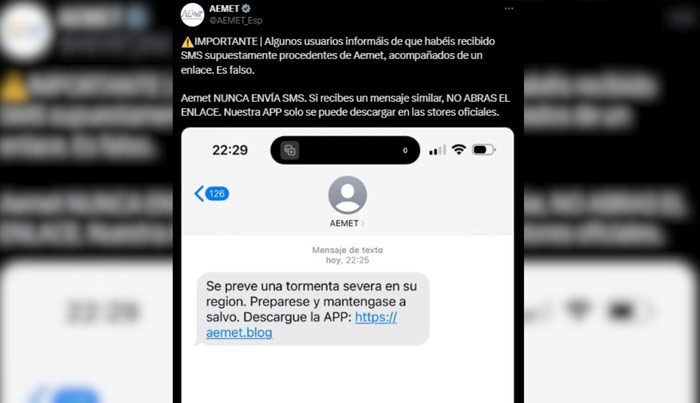
Scammers send enticing investment proposals to large groups of strangers via iMessage or SMS. These messages promise qu...
By IAFCRO
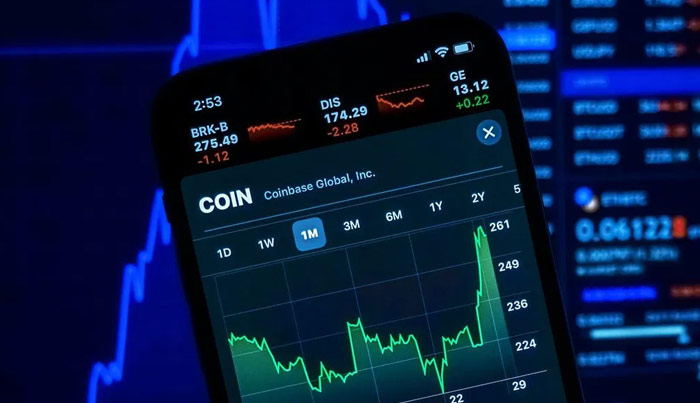
Los estafadores se hacen pasar por Coinbase y envían alertas falsas que afirman que su cuenta de Coinbase se ha vinculado con...