Booking.com scam analysis
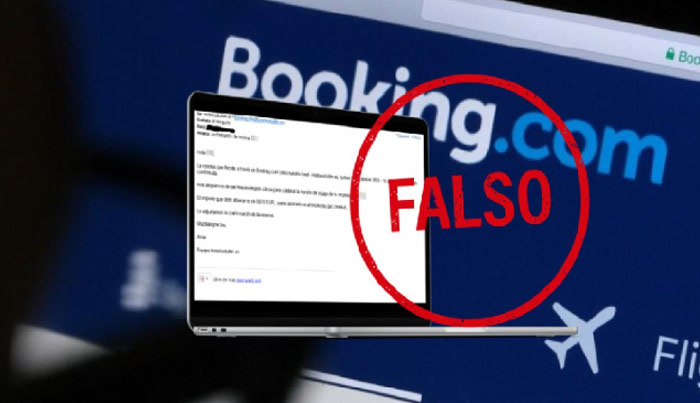
Did you book a vacation on the popular travel platform Booking.com and find something suspicious? You could be at risk of being scammed...
In fact, Booking.com scams have been on the rise in recent years: the BBC reported a 900% increase in travel scams in 2024. with many criminals impersonating Booking.com.
That's why it's crucial to recognize the warning signs and know how to avoid falling for a Booking.com scam.
Our guide will detail the red flags to watch out for, how to report a Booking.com scam, and how to get legal assistance to seek justice if you are a victim and lose money.
What is a Booking.com scam?
Booking.com scams can involve fraudsters impersonating Booking.com or the hotel or accommodation provider you booked and asking you to re-enter your payment details.
They might claim your card was declined or trick you into sending money via bank transfer to "secure" your booking.
Hackers are believed to target accommodation providers using phishing tactics and then use this information to contact their customers. This represents a very real attempt at fraud, as scammers could gain access to all your correct accommodation details and personal information.
What are the legal provisions for Booking.com scams in the UK?
Scams impersonating Booking.com, whether through fake emails, text messages, pop-up ads, or fraudulent messages sent through the Booking.com platform, are considered serious offenses under UK law, including the misrepresentation of names, email addresses, and even information about rooms and packages.
Most Booking.com scams fall under the Fraud Act 2006. which criminalizes committing fraud through misrepresentation. Some scams may also fall under the Computer Misuse Act 1990. especially if they use fake links or downloads to install malware on your device. Additionally, if the scammer illegally obtains your personal information, the Data Protection Act 2018 could apply.
For those convicted of these types of scams, the consequences can be severe, including hefty fines and, in some cases, even imprisonment.
However, despite these strict laws, recovering funds lost to Booking.com scams is often difficult. Therefore, many victims seek guidance from a fraud recovery lawyer who can help them navigate the process, protect their rights, and maximize their chances of recovering their losses.
Tips for Recognizing Booking.com Scams
So, what are the main red flags to watch out for to avoid falling for Booking.com scams?
First, let’s start with the most common tactics; Familiarizing yourself with these scams can give you a significant advantage and keep you one step ahead:
Most common Booking.com scams:
1. Fake payment requests
Scammers may contact you (usually via email, text message, or even within the Booking.com platform) claiming you need to re-enter your card details or complete a payment to "secure your reservation."
2. "Card declined" messages
Scammers send a text message stating that your original payment was unsuccessful and ask you to pay again using a new link. This link redirects you to a fake website designed to steal your personal information.
3. Phishing emails disguised as Booking.com
This is a very common scam: scammers receive official-looking emails containing links to fake login pages, designed to trick you into sharing your account information. These emails may include the branding and look similar to those from Booking.com, but there are subtle differences that distinguish them (which we'll explain later).
4. Follow-up messages via WhatsApp or SMS
These messages may appear to be from your hotel or Booking.com, urging you to confirm your reservation or pay through unofficial channels. However, Booking.com never operates via WhatsApp or SMS.
5. Fake booking confirmations
Clicking on a seemingly authentic booking confirmation email or text message may lead you to a fraudulent website that collects your personal information.
6. Bank transfer requests
Scammers posing as the host or a Booking.com representative may ask you to pay via direct bank transfer instead of through Booking.com's secure system. This is a major red flag to identify.

Related Readings

By IAFCRO
How the scam works Step 1: You receive a message or email that appears to be from Meta/Facebook, stating that your Pag...
By IAFCRO
Scammers impersonate courier companies (such as UPS, USPS, FedEx, DHL, Amazon, Royal Mail, and Canada Post)...
By IAFCRO
You receive unsolicited emails or letters claiming you'll receive a large inheritance, recovered funds, or a prize. These ema...
By IAFCRO
Scammers send enticing investment proposals to large groups of strangers via iMessage or SMS. These messages promise qu...
By IAFCRO
Los estafadores se hacen pasar por Coinbase y envían alertas falsas que afirman que su cuenta de Coinbase se ha vinculado con...