Mass SMS investment scam
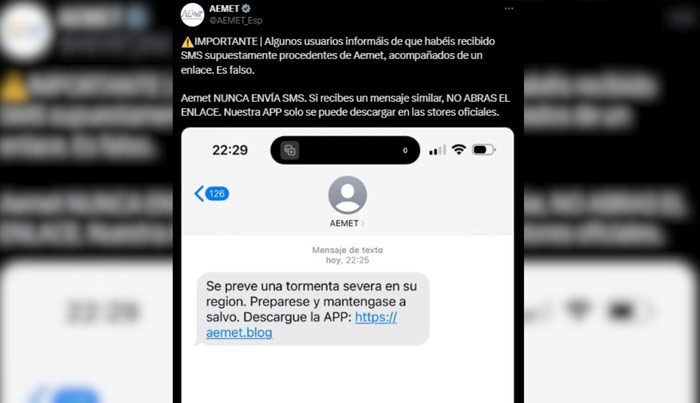
Scammers send enticing investment proposals to large groups of strangers via iMessage or SMS. These messages promise quick retirement benefits and include a short web link, sometimes asking you to reply "yes" to "reopen" it. Their goal is to trick you into clicking the link, chatting with them privately, and ultimately transferring money to a fake "investment" or trading account (usually linked to cryptocurrencies or forex). Once you deposit funds, it's difficult to withdraw them.
How the scam works
Step 1: You receive a group text message from someone you don't know, with grandiose promises like "Plan your retirement" and a short link you can click.
Step 2: If you click, you might be redirected to an attractive website or chat app where a "coach" or "advisor" will offer guidance.
Step 3: If you answer "yes," they'll mark your number as active, message you more frequently, and try to move you to private chats.
Step 4: They'll urge you to deposit money into a new account or buy cryptocurrency to fund their "strategy," promising consistent profits.
Step 5: When you try to withdraw money, they'll charge you additional fees, delay the process, or even disappear. Your funds are at serious risk.
Do the following:
Leave the message group, delete the message, and block the sender.
Report the message as spam to your mobile carrier or messaging app.
If you're curious about an offer, research it yourself: search for the company name, reviews, and "scam."
Talk to a trusted family member or your bank/financial advisor before sending money to any organization that contacts you via text message.
✗ Avoid this:
Don't click on short links sent by strangers.
Do not reply "yes" or anything else; this confirms that your number is active.
Do not share personal or banking information, send cryptocurrency, or make fund transfers via SMS.
Do not install any apps or allow remote access to your phone or computer.

Related Readings

By IAFCRO
How the scam works Step 1: You receive a message or email that appears to be from Meta/Facebook, stating that your Pag...

By IAFCRO
Scammers impersonate courier companies (such as UPS, USPS, FedEx, DHL, Amazon, Royal Mail, and Canada Post)...
By IAFCRO
You receive unsolicited emails or letters claiming you'll receive a large inheritance, recovered funds, or a prize. These ema...
By IAFCRO
Scammers send enticing investment proposals to large groups of strangers via iMessage or SMS. These messages promise qu...
By IAFCRO
Los estafadores se hacen pasar por Coinbase y envían alertas falsas que afirman que su cuenta de Coinbase se ha vinculado con...