Fraud in bank payment information
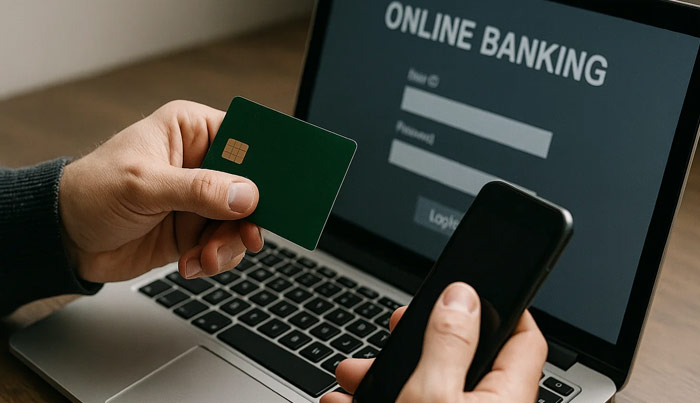
You receive unsolicited emails or letters claiming you'll receive a large inheritance, recovered funds, or a prize. These emails use official-looking logos and reference numbers to disguise their authenticity and then ask you to provide your bank account information to process the payment. After you reply, the scammers often request upfront fees (taxes, transfer fees, or clearing fees) or attempt to use your information to commit fraud.
How the Scam Works
Step 1: You receive an unexpected message informing you that you've been selected to receive an inheritance, recovery funds, or a prize.
Step 2: The attachment or letterhead must include an official-looking organization, a reference number, and a large amount to make it seem legitimate.
Step 3: You'll be asked to send your bank details (bank name, account number, account name, branch/SWIFT code) and a copy of your ID.
Step 4: Once you respond, they will pressure you to pay a processing or release fee, or they will try to transfer funds through your account.
Step 5: If you pay or share your details, you could lose money and risk identity theft or being flagged as a money launderer.
✓ Do this
Be wary of any unexpected payment or inheritance notifications; legitimate notifications will not arrive via email requesting money.
Independent verification: Contact your bank using your card number or their official website (not the email address).
Protect your bank details as you would your National Insurance or ID number.
✗ Avoid this
Do not send bank details, copies of your ID, or personal information to unknown senders.
Do not pay release or transfer fees, taxes, or purchase gift cards to receive funds.
Do not click on links or open attachments from unknown senders claiming you've won money.
Do not call or text the phone numbers listed in the messages.

Related Readings

By IAFCRO
How the scam works Step 1: You receive a message or email that appears to be from Meta/Facebook, stating that your Pag...

By IAFCRO
Scammers impersonate courier companies (such as UPS, USPS, FedEx, DHL, Amazon, Royal Mail, and Canada Post)...
By IAFCRO
You receive unsolicited emails or letters claiming you'll receive a large inheritance, recovered funds, or a prize. These ema...
By IAFCRO
Scammers send enticing investment proposals to large groups of strangers via iMessage or SMS. These messages promise qu...
By IAFCRO
Los estafadores se hacen pasar por Coinbase y envían alertas falsas que afirman que su cuenta de Coinbase se ha vinculado con...